
Broken Garage Door Spring Repair Hamilton
With an estimated population density of 755,000, Hamilton is a thriving hub for business and residential homes. Most residential homes feature a garage door mostly at the back of the house but some at the front. These doors are large enough to allow automobiles access through them. They are mostly made of metal but can also be made of wood or fibreglass.
Garage doors can be operated manually or by an electric garage door opener. Over time, you may notice a squeaking sound while operating your garage door. In some cases, it becomes difficult to open and close the door unless you exert a lot of pressure in doing so. This is an indication that your garage door springs need to be checked. The garage door springs are responsible for distributing the weight of your garage door accordingly making it easy to operate.
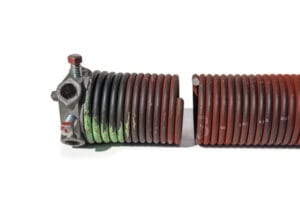
Professional & Affordable Broken Spring Repair
Broken or failing springs in your garage need immediate repair to avoid further damage to your garage door system and accidents that may occur. A broken spring means that your door cannot balance its own weight. When you pull up your door, the likelihood of it tumbling down is very high since the springs cannot hold its weight.
The repair is also a technical job one that needs experts. While there are DIY enthusiasts, attempting to repair your broken springs without the right tools and knowledge is not such a good idea. There are two types of springs that work on your garage door:
- Torsion spring – It is the most common with a lifespan of 4 -7 years. It is usually placed at the top of the garage door to balance the door’s weight.
- Extension springs – These have a life expectancy of 7-9years. Normally, they are placed vertically along the garage door.
Common Causes of Spring Breakage
- Wear and Tear
Like any mechanical component, garage door springs experience normal wear and tear over time. Regular usage—opening and closing the door multiple times a day—can lead to fatigue. Most springs have a lifespan measured in cycles, typically around 10,000 cycles for standard residential springs. Once they approach the end of their life cycle, they are more likely to break.
- Rust and Corrosion
Moisture and humidity can lead to rust, which weakens the metal of the springs. Rust can form if the springs are not properly maintained or if they are exposed to moisture without protection. Regular inspections and the application of a rust-inhibiting lubricant can help prevent this issue.
- Improper Installation
If garage door springs are installed incorrectly, they can experience undue stress, which can lead to premature breakage. It’s crucial to hire a garage door repair company with expertise in proper installation techniques. An improperly balanced door can also place extra tension on the springs, causing them to wear out faster.
- Extreme Temperatures
Temperature fluctuations can affect the integrity of garage door springs. Cold weather can make metal brittle, while extreme heat can cause it to weaken. If you live in an area with significant temperature changes, consider investing in high-quality springs designed to withstand these conditions.
- Lack of Maintenance
Regular maintenance is vital for the longevity of garage door springs. Neglecting to lubricate the springs, check their balance, and inspect for signs of wear can lead to unexpected failures. Scheduling routine maintenance with a professional for garage door spring repair can help catch issues before they escalate.
How to Prevent Garage Door Spring Breakage
- Regular Inspections
Routine inspections of your garage door system can help identify potential problems before they become major issues. Check for signs of wear, rust, or imbalance, and consult a professional if you notice anything unusual.
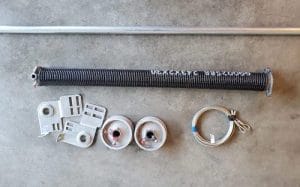
- Lubricate Springs
Applying a silicone-based lubricant to the springs every few months can reduce friction and prevent rust. This simple step can significantly extend the life of your garage door springs.
- Balance Your Door
A properly balanced door reduces strain on the springs. You can perform a balance test by disconnecting the opener and manually lifting the door halfway. If it stays in place, it’s balanced; if it drops or rises, it may need adjustment.
- Professional Maintenance
Hiring a garage door repair company for annual maintenance ensures that all components, including the springs, are in optimal condition. Professionals can identify issues that might go unnoticed and provide timely repairs.
Fix Your Garage Door Spring Same Day – (647) 887-7477
Garage spring repair will require an expert to replace both springs even if just one is broken. The average cost to repair your garage spring in Hamilton is $80-$120. If you are replacing the springs, besides the cost of buying new springs, you will incur labor cost for an expert to replace your door springs. This is an affordable cost compared to the cost of accidents that will occur if you continue to use your garage door yet the springs are broken. The extent of damage on the spring determines if the springs will be repaired or replaced. Sometimes, a quick rebalance is all your door needs. It is advised to do rebalancing every two years as a maintenance activity on your garage door.
Garage Door Spring Repair FAQs
1. What do garage door springs do in a garage door system?
Garage door springs act as a counterbalance to the door’s weight, allowing it to open and close smoothly. Without properly functioning springs, your garage door opener would strain to lift the door, leading to malfunctions and further damage to the entire garage door system.
2. What are the types of garage door springs?
There are two main types of garage door springs used in residential doors:
- Torsion springs – Mounted above the door, these operate under high tension and are installed parallel to the horizontal tracks. They are known for better control, durability, and longer lifespan.
- Extension springs – Installed along each side of the door, typically the left side and right side, these stretch as the door moves.
A professional garage door technician can determine which type works best based on headroom, door size, and usage.
3. What are the signs of wear or a broken spring?
Common signs of wear include:
- A sudden loud bang came from the garage
- The door feels extremely heavy or won’t open fully
- A visible gap in the coil indicates a garage door spring break
- Uneven lifting from one side of the door
- Jerky movement or poor, smooth operation
A broken spring should be addressed immediately to prevent serious injury or damage to other moving parts.
4. Why do garage door springs break?
Springs break due to normal wear over time. Most springs last between 7–10 years, depending on use. Other causes include corrosion, lack of lubrication, temperature changes, and skipped garage door maintenance.
5. Can I do garage door spring replacement as a DIY project?
Garage door spring replacement is not a DIY project. Springs are under high tension and require specialized tools. Attempting repairs without training can result in serious injury or damage to safety sensors, the opener, or the door itself. Always hire a professional technician.
6. Should both springs be replaced at the same time?
Yes. If your system uses two springs, replacing both during spring replacement is recommended. When one fails, the other is usually close behind. Installing new springs together improves balance, prevents potential issues, and ensures even wear.
7. How long is the lifespan of new garage door springs?
Standard springs last about 10,000 cycles, while high-quality or high-cycle springs can last much longer. Proper regular maintenance, including lubrication and inspections, significantly extends how long springs last and improves system reliability.
8. How does garage door spring repair affect energy efficiency?
A well-balanced door reduces strain on the opener and keeps the door properly sealed. Combined with intact weatherstripping, functioning springs help maintain energy efficiency, especially in newer or new garage door installations.
9. Will damaged springs affect my garage door opener?
Yes. When springs fail, the garage door opener compensates for the lost counterbalance, leading to premature wear, motor strain, and malfunctions. Timely garage door spring repair protects the opener and safety sensors.
10. Does spring replacement come with a warranty?
Professional spring replacement typically includes a warranty on parts and labour. Working with a trusted garage door dealer ensures proper installation, reliable pricing, and long-term peace of mind.
11. When should I call a garage door technician?
Call a technician if you hear a loud bang, notice uneven lifting, or suspect a garage door spring break. Delaying service can lead to further damage, unsafe operation, or complete system failure.
12. Why choose Professional Garage Door & Openers Repair?
Professional Garage Door & Openers Repair provides expert garage door spring replacement, repair, and garage door installation services. Our experienced technicians use high-quality components, ensure safe operation, and help homeowners maintain long-lasting performance and reliability.