

Torsion Springs vs Extension Springs: What’s the Difference?
Garage doors rely on a carefully balanced system of springs to lift and lower heavy panels smoothly. Among the most common types are torsion springs and extension springs. While both serve the same purpose, they function differently and have unique characteristics that affect performance, safety, and maintenance needs. Understanding these differences may help homeowners make informed decisions when it comes to garage door repair and system upkeep.
How do Torsion Springs Work?
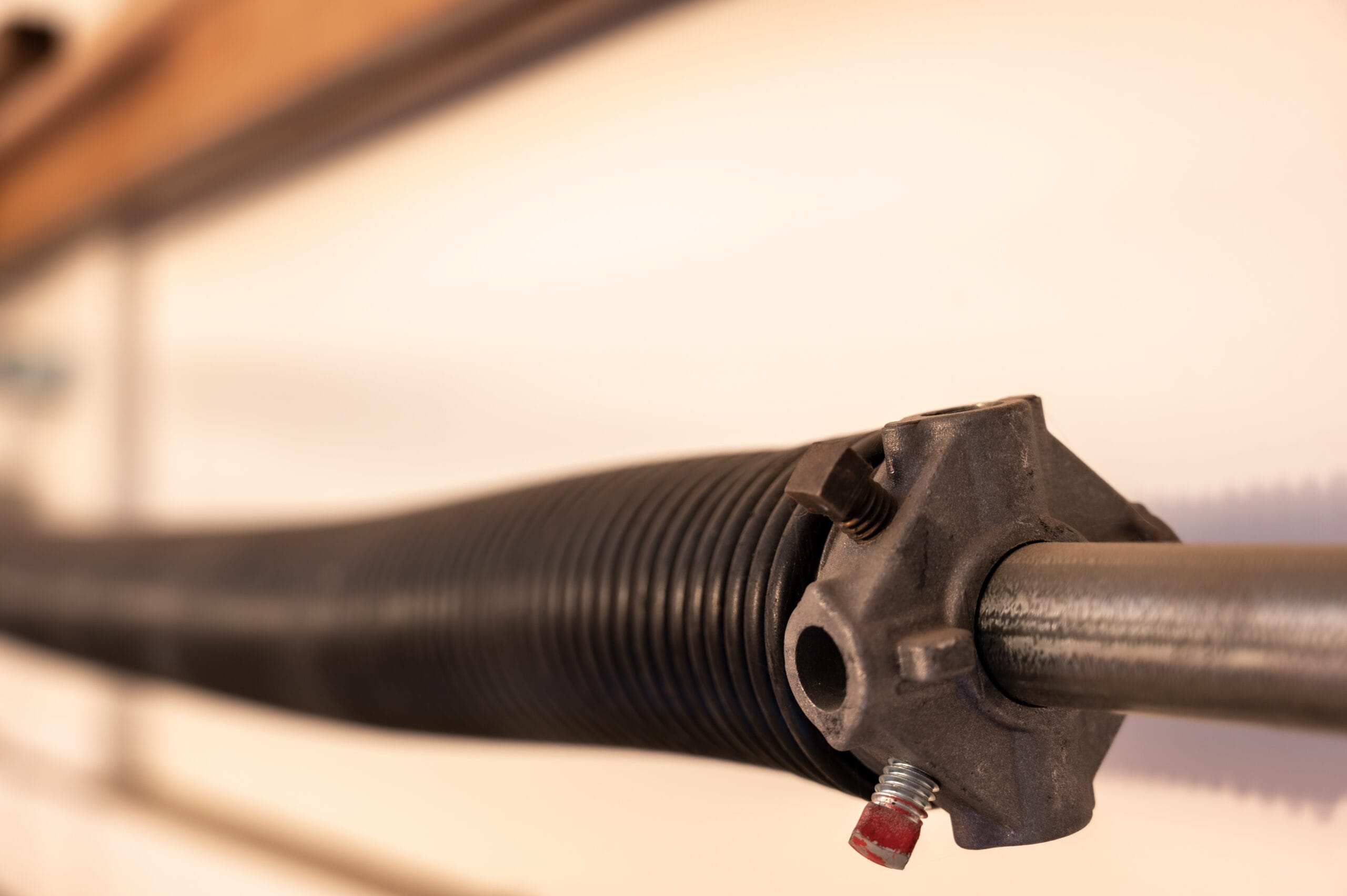
On a metal shaft, torsion springs are positioned horizontally above the garage door opening. They work by twisting and storing mechanical energy when the door is closed. As the door opens, the stored energy is released, helping lift the weight of the door evenly.
This system provides smooth and controlled movement, which often results in quieter operation. Torsion springs are generally considered more durable and may last longer than extension springs when properly maintained. However, when they wear out or break, garage door spring repair typically requires professional tools and expertise due to the high tension involved.
How do Extension Springs Work?
On either side of the garage door, extension springs run parallel to the horizontal rails. Instead of twisting, they stretch and contract to support the door’s movement. The springs expand and store energy when the door closes. When the door opens, they contract to assist in lifting the door.
While extension springs are effective, they may produce more movement and noise compared to torsion systems. They also tend to have a shorter lifespan and may require more frequent maintenance or replacement as part of routine garage door repair.
Key Differences in Performance
One of the main differences between the two systems is how they distribute weight. Torsion springs provide a more balanced lifting force, which may reduce strain on other components of the door system. Extension springs, on the other hand, operate with more movement along the sides, which can lead to uneven wear over time.
In terms of safety, torsion springs are often considered more stable because they are securely mounted and less exposed. Extension springs typically require safety cables to prevent injury in case of breakage.
Maintenance and Repair Considerations
Both types of springs require regular inspection to ensure proper function. Signs of wear, such as gaps in coils, rust, or uneven door movement, may indicate the need for service. Addressing these issues early may help prevent more serious damage and reduce the need for extensive garage door repair.
When springs fail, it can also place additional strain on the garage door opener system. In some cases, this may lead to garage door opener repair if the motor is forced to work harder than intended.
Lifespan and Durability
Torsion springs generally last longer, often rated for more cycles than extension springs. This makes them a popular choice for homeowners seeking long-term reliability. Extension springs may wear out faster due to their stretching motion and exposure along the sides of the door.
Regular maintenance and proper balancing of the door may help extend the lifespan of both systems.
Choosing the Right System
The choice between torsion and extension springs often depends on the type of garage door, budget, and usage frequency. Torsion systems are commonly used in modern installations due to their smoother operation and durability, while extension systems may still be found in older setups.
Reliable Solutions for Your Garage Door System!
Professional Garage Doors and Openers Inc encourages homeowners to stay informed about their garage door components and schedule timely maintenance when needed. Whether dealing with spring issues or system adjustments, professional service can help to ensure safe and consistent operation. Proper care supports long-lasting performance and reduces the risk of unexpected breakdowns.

