
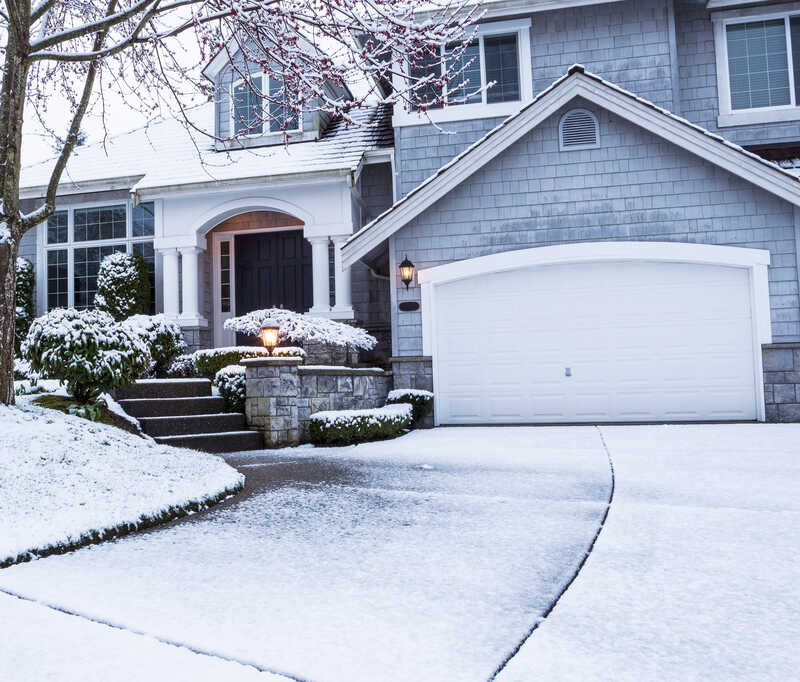

How to Protect Your Garage Door Springs and Cables in Freezing Temperatures
Winter weather can be tough on your garage door system, especially when temperatures drop below freezing. Cold air, snow, and ice place extra stress on critical garage door components, increasing the risk of malfunctions, breakage, and costly repairs. For homeowners, understanding how cold temperatures affect your garage door and following smart garage door maintenance practices can help ensure smooth operation throughout the winter months.
Why Cold Weather Affects Garage Door Springs
Garage door springs, particularly torsion springs, are under constant tension. When cold weather and freezing temperatures set in, metal parts contract. This contraction increases stress on already-loaded springs, making them more vulnerable to failure.
In extreme cold, high-carbon steel springs lose flexibility and become brittle. This loss of elasticity significantly raises the risk of a broken spring, even during normal daily use. Over time, repeated exposure to low temperatures accelerates metal fatigue, reducing the overall lifespan of your springs and increasing the likelihood of sudden garage door problems.
How Freezing Conditions Impact Cables and Other Moving Parts
Springs aren’t the only concern during winter weather. Steel cables, rollers, hinges, and pulleys are all moving parts that can be affected by freezing conditions. As temperatures drop, cables can stiffen and lose pliability, leading to uneven lifting, misalignment, or jerky movement.
Moisture from snow and ice increases the risk of corrosion on exposed metal components, especially if lubrication is neglected. Ice buildup around the tracks or bottom seal can prevent the door from closing properly, placing additional strain on the garage door opener and springs. Over time, this extra workload contributes to premature wear across the entire garage door system.
Essential Garage Door Maintenance Tips for Winter
Use the Right Garage Door Lubricant
One of the most important maintenance tips for homeowners is proper lubrication. Apply a silicone-based lubricant or high-quality garage door lubricant to springs, cables, rollers, hinges, and bearings before and during the winter months.
Unlike grease, a silicone-based lubricant won’t thicken in cold temperatures, helping protect metal parts from friction, rust, and brittleness. Proper lubrication promotes smooth operation and reduces stress on your garage door opener during cold starts.
Improve Insulation and Weather Sealing
An insulated garage door helps regulate temperature, reducing exposure to cold air and improving energy efficiency. Inspect and replace worn weather stripping, weather seals, and the bottom seal to prevent drafts and moisture infiltration.
Effective sealing not only protects garage door components from freezing but also helps maintain consistent indoor temperatures—benefiting both your door system and your home’s heating efficiency.
Keep Ice and Snow Away from Door Panels
Clear snow and ice from door panels, tracks, and the area around the garage entrance. Ice buildup can interfere with sensors, cause resistance during opening, and trigger garage door issues such as partial closures or reversals.
Schedule a Winter Garage Door Tune-Up
A professional garage door service before or during winter is one of the best ways to prevent emergencies. A seasonal tune-up includes checking spring tension, inspecting cables, testing the garage door opener, and tightening hardware.
Most garage door springs are rated for about 10,000 cycles. If your system is older, a maintenance service can identify worn parts early and reduce the risk of mid-winter failure when weather conditions are at their harshest.
Monitor Balance and Performance
During the winter months, test your door’s balance by disconnecting the opener and lifting the door manually halfway. A properly balanced door should stay in place. If it drops or rises, it may indicate weakening springs or misalignment.
Listen for grinding, popping, or straining noises—common signs of garage door problems caused by cold-related stress on metal components.
Warning Signs You Shouldn’t Ignore
Contact a professional immediately if you notice:
- Difficulty opening or closing the door
- Uneven or crooked movement
- Visible rust, fraying, or corrosion
- Loud snapping sounds (often signalling a broken spring)
- Repeated opener strain or failure
Ignoring these issues can lead to complete system failure and more expensive garage door repair.
DIY Maintenance vs. Professional Garage Door Repair
Homeowners can safely handle basic DIY tasks like cleaning tracks, applying garage door lubricant, and checking seals. However, spring repair and cable adjustments should always be left to a professional garage door technician.
Springs operate under extreme tension, and improper handling can cause serious injury. Professional technicians have the tools, training, and experience to perform safe, accurate repairs, restoring proper alignment and performance.
The Value of Professional Service and Peace of Mind
A trusted garage door service provides more than repairs—it delivers reliability and peace of mind. Professional inspections help prevent unexpected failures, extend component lifespan, and ensure your system operates safely throughout the coldest months.
Conclusion
Protecting your garage door in freezing temperatures requires proactive care, including lubrication, insulation, and professional inspections. By following these winter maintenance tips, homeowners can minimize garage door issues, prevent breakage, and keep their garage door system running reliably despite harsh weather.
Don’t wait for a malfunction in the middle of winter—contact Rami Garage Doors Inc, schedule a tune-up, address warning signs early, and ensure your garage door is ready for whatever cold weather brings.

